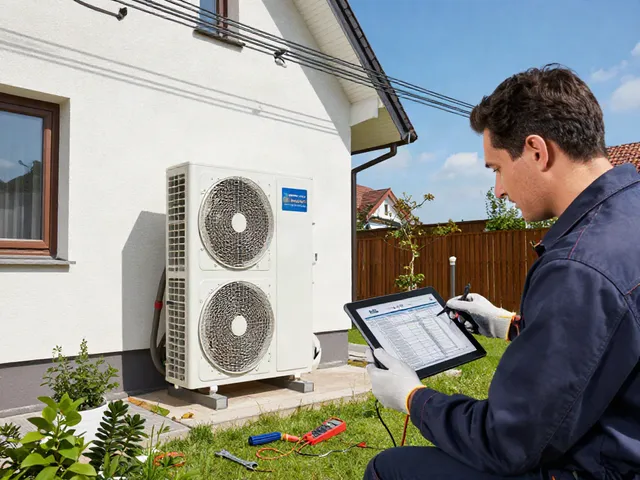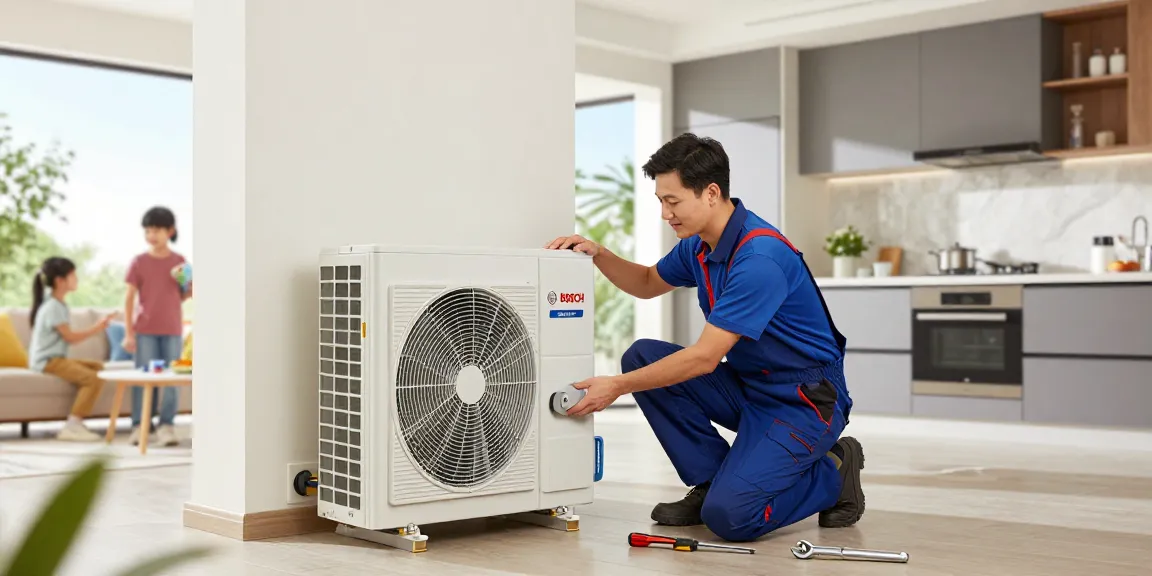
Understanding Wärmepumpe Bosch Technology
The rise of energy-efficient heating solutions has transformed the way homeowners approach climate control. Among these solutions, the wärmepumpe bosch stands out for its innovative technology and operational efficiency. With an increasing number of households seeking to reduce their carbon footprint and energy costs, Bosch’s heat pumps provide an attractive alternative to conventional heating systems. This article delves into the intricacies of Bosch heat pump technology, examining how they operate, their benefits, and their growing importance in modern heating solutions.
What is a Wärmepumpe Bosch?
A Wärmepumpe Bosch, or Bosch heat pump, is a sophisticated device designed to transfer heat from one environment to another, thereby providing efficient heating or cooling for residential applications. Bosch offers a variety of models, including air-to-water and ground-source heat pumps, catering to different thermal demands and installation scenarios. These systems leverage advanced engineering to convert energy from the environment, achieving remarkable heating efficiency.
How Wärmepumpe Bosch Works for Home Heating
The operation of a Bosch heat pump revolves around the basic principle of heat transfer. During winter, the system extracts heat from the outside air (or ground) even when temperatures are low, and then compresses this heat to increase its temperature for use in a home’s heating system. The process involves multiple stages: evaporation, compression, condensation, and expansion. In summer, the process can be reversed, providing cooling by transferring heat from the indoors to the outside.
The Benefits of Using Wärmepumpe Bosch
- Energy Efficiency: Bosch heat pumps can achieve very high seasonal coefficient of performance (SCOP) ratings, making them significantly more energy-efficient than traditional heating systems.
- Cost Savings: Over time, the reduction in energy bills can offset the initial installation costs, providing substantial financial benefits.
- Environmental Impact: Using renewable energy sources, Bosch heat pumps contribute to reduced greenhouse gas emissions.
- Versatility: These systems can be used for both heating and cooling, making them a flexible solution for year-round climate control.
Evaluating Efficiency Ratings
Understanding SCOP and Its Importance
The Seasonal Coefficient of Performance (SCOP) is a critical measure of a heat pump's efficiency throughout the heating season. It indicates how much heat the pump can produce for a given amount of electrical energy consumed. A higher SCOP value means greater efficiency, which translates into lower operating costs and less environmental impact. For instance, Bosch's heat pumps boast SCOP values of up to 5.1, which signifies that for every unit of electricity used, the system can generate over five units of heat.
Comparative Efficiency of Wärmepumpe Bosch Models
When comparing the efficiency of various Bosch models, it is essential to consider factors such as the output capacity, type of heat pump, and specific installation conditions. Models like the Bosch Compress 6800i AW exemplify cutting-edge efficiency, achieving excellent performance even at lower ambient temperatures, which is critical for colder climates.
Real-Life Efficiency vs Lab Results
While laboratory results provide a benchmark for efficiency, real-life performance can vary based on installation quality, home insulation, and local climate conditions. Homeowners who invest in professional installation and maintain their systems properly can expect to see efficiencies close to the lab-tested figures, reinforcing the benefits of choosing a well-regarded brand like Bosch.
Cost Analysis and Installation Considerations
Initial Costs of Wärmepumpe Bosch Installations
The upfront costs associated with installing a Bosch heat pump can vary significantly based on several factors, including the type of system, size, and complexity of the installation. Homeowners can expect to pay between €20,000 to €40,000 for a typical single-family home installation during 2026. Although this may seem steep, financial incentives from government programs can assist in mitigating these costs.
Expected Long-term Savings on Energy Bills
Despite the initial investment, Bosch heat pumps can lead to substantial long-term savings on energy bills. On average, homeowners may save up to 50% on heating costs compared to traditional heating systems such as oil or gas boilers. Moreover, as energy prices continue to rise, the cost-effectiveness of heat pump systems becomes increasingly attractive.
Common Installation Challenges and Solutions
While installing a Wärmepumpe Bosch can offer numerous benefits, challenges can arise. One common issue is ensuring that the system is appropriately sized for the specific home. Undersized systems may struggle to meet heating demands, while oversized units can lead to inefficiencies and increased wear. To mitigate these issues, it's crucial to work with seasoned professionals who can assess the home’s specific needs accurately.
Customer Feedback and Case Studies
Homeowner Experiences with Wärmepumpe Bosch
Customer feedback highlights the high satisfaction levels among users of Bosch heat pumps. Many homeowners emphasize the quiet operation of the systems compared to traditional heating units and the low maintenance requirements. Users frequently report lower energy bills and a more consistent indoor climate as key positive aspects of their Bosch heat pump systems.
Case Studies: Cost Savings Achieved
In various case studies conducted across Europe, homeowners who transitioned to Bosch heat pumps documented average reductions in heating costs of 30-50%. One notable case involved a family in Germany who replaced their old gas boiler with a Bosch air-to-water heat pump. Post-installation, they experienced a 40% reduction in annual heating costs, demonstrating the financial viability of these systems.
Addressing Common Misconceptions About Heat Pumps
Despite their rising popularity, misconceptions about heat pumps persist. A common myth is that heat pumps are ineffective in colder climates. However, advancements in technology have made modern heat pumps capable of performing efficiently even in sub-zero temperatures. Additionally, potential buyers may believe that installation costs outweigh the long-term savings, but many find that the investment pays off within a few years.
Future Trends in Wärmepumpe Technology
Emerging Innovations in Wärmepumpe Systems
The future of heat pump technology, including Bosch offerings, points towards enhanced integration with smart home systems. Features such as remote monitoring and automated climate control are becoming standard, allowing users to optimize energy consumption even further. Innovations in refrigerants also promise to improve efficiency and reduce environmental impact.
Predicted Developments for 2026 and Beyond
As we look towards the future, Bosch plans to introduce new models equipped with advanced sensors that can adapt to changing weather conditions and household demands in real-time. These developments will further enhance the efficiency and user experience, solidifying Bosch's position as a leader in heat pump technology.
How Legislation Influences Wärmepumpe Adoption
Government regulations and incentives play a significant role in promoting the adoption of heat pumps. Many countries are implementing stricter energy efficiency standards and providing subsidies for heat pump installations. These measures not only encourage homeowners to consider Bosch heat pumps but also contribute to the broader goal of reducing carbon emissions and transitioning to sustainable energy sources.
What are the benefits of a Bosch heat pump?
A Bosch heat pump offers numerous advantages, including high energy efficiency, significant savings on energy costs, versatility for year-round climate control, and low environmental impact due to reduced reliance on fossil fuels.
How much does it cost to install a Bosch Wärmepumpe?
The cost of installing a Bosch Wärmepumpe ranges from €20,000 to €40,000 for single-family homes, depending on the specific model and installation complexity. Homeowners should consider potential incentives to offset these costs.
How efficient is a Bosch Wärmepumpe compared to traditional heating?
Bosch Wärmepumpen are significantly more efficient than traditional heating systems, with SCOP ratings often exceeding 5.1. This means they provide several times more heating energy than the electric energy they consume.
Are there any common issues with Bosch heat pumps?
Some potential issues include installation mishaps, particularly if the system is not sized appropriately for the home. Regular maintenance is necessary to ensure optimal performance, which can help mitigate these issues.
What should I consider when choosing a heat pump?
When selecting a heat pump, consider factors such as the system's efficiency ratings, the size required for your home, installation costs, and compatibility with existing heating systems. Consulting with a professional can provide valuable insights tailored to your specific needs.