
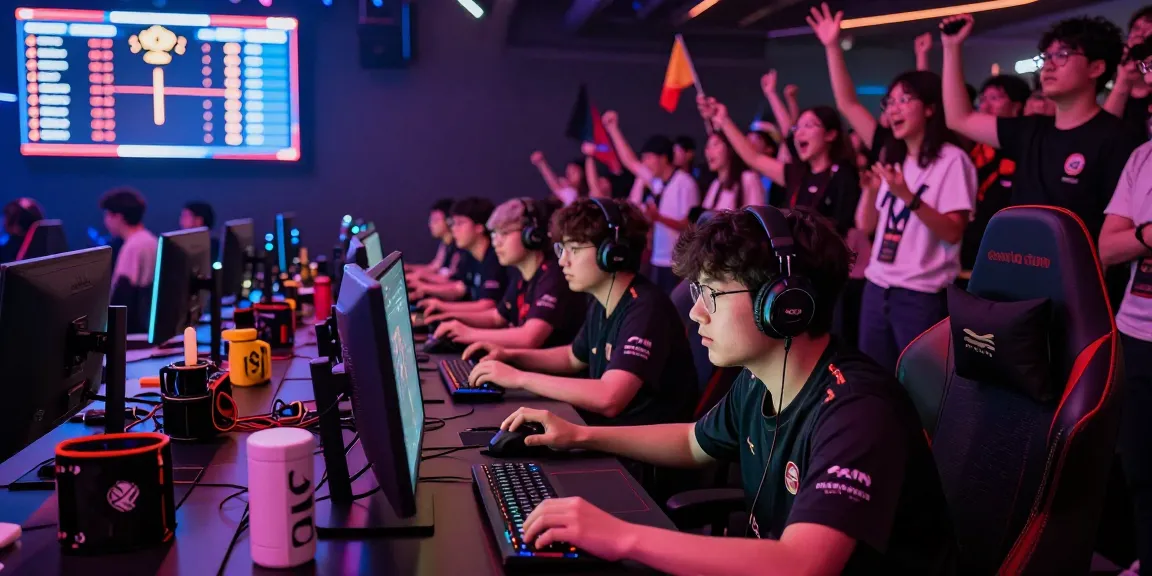
Understanding the Rise of Esports in 2026
The world of esports has transformed dramatically over the past decade, evolving from niche online competitions to a global phenomenon with millions of fans, massive prize pools, and a burgeoning ecosystem. By 2026, esports has solidified its position not only as a competitive platform but as a cultural touchstone influencing entertainment, technology, and social interactions. This article explores the evolution, community dynamics, strategies for success, challenges faced by players, and the future trends shaping the esports landscape.
The Evolution of Competitive Gaming
Competitive gaming has roots that trace back to the early arcade days of the 1970s and 1980s, but it wasn't until the advent of the internet that esports truly began to flourish. The formation of leagues and tournaments such as the Electronic Sports World Cup in 2003 and Major League Gaming in 2002 helped formalize competitive gaming. Fast forward to 2026, and we see a sophisticated ecosystem with structured tournaments, professional teams, and sponsored leagues, paralleling traditional sports.
Key Drivers of Esports Popularity
- Accessibility: With the proliferation of high-speed internet and gaming consoles, players from all walks of life can participate in competitions.
- Streaming Platforms: Services like Twitch and YouTube Gaming have made it easy for fans to watch live competitions and engage with players in real-time.
- Investment: Major brands and investors are pouring money into esports, creating more opportunities for players and teams.
Impact on Traditional Sports and Entertainment
Esports has not only impacted gaming but has also begun to influence traditional sports. Teams are now exploring collaborations with esports organizations, recognizing the crossover appeal of young audiences. Additionally, events like the Intel Extreme Masters draw massive crowds comparable to physical sporting events, indicating a shift in how entertainment is consumed.
Exploring the Community Behind https://sc88.chat/
The https://sc88.chat/ platform serves as a valuable hub for gamers, fostering connections and enhancing the gaming experience. Understanding the community dynamics is essential for anyone looking to get involved in esports, whether as a player, fan, or commentator.
Building Connections Among Gamers
Gaming communities thrive on shared interests and experiences. Platforms like https://sc88.chat/ allow users to connect over games, share strategies, and cultivate friendships. These interactions are integral to the competitive experience, offering support and camaraderie.
Online Platforms and Social Interaction
Social media and online forums play a crucial role in shaping the esports community. Gamers share insights, showcase skills, and create a sense of belonging by participating in discussions about their favorite games and players. With the rise of community-driven content, individuals can elevate their visibility and engage with others who share their passions.
The Role of Streaming in Community Engagement
Streaming platforms have revolutionized how gamers interact with their audience. Gamers can broadcast their gameplay live while engaging with viewers through real-time chats. This interaction fosters a sense of community and allows fans to feel closer to their favorite players, enhancing the overall esports experience.
Strategies for Success in Competitive Gaming
As the esports scene grows, understanding what it takes to succeed becomes crucial for aspiring players. This section outlines essential skills, teamwork strategies, and the importance of adapting to changing game metas.
Essential Skills for Aspiring Gamers
- Game Knowledge: Understanding the intricacies of a game, including mechanics, strategies, and character matchups, is fundamental.
- Reflexes and Hand-Eye Coordination: Rapid reactions and precise movements can often determine the outcome of a match.
- Communication: Effective communication within a team can lead to better coordination and execution during critical moments.
Effective Team Collaboration Techniques
Successful teams rely on collaboration and synergy. Regular practice, clear role assignments, and open communication channels are essential for fostering a cohesive unit. Teams should also conduct post-match reviews to identify strengths and weaknesses, refining strategies for future competitions.
Adapting to Meta Changes in Games
The nature of competitive gaming means that the 'meta'—the most effective tactics available—can change rapidly due to game updates. Players must stay informed about these changes and adjust their strategies accordingly to maintain a competitive edge.
Overcoming Challenges in Esports
Competing at high levels can lead to various challenges, from mental health issues to misconceptions surrounding gaming. Addressing these challenges is essential for long-term success in esports.
Dealing with Pressure and Performance Anxiety
The high-stakes environment of esports can cause significant stress. Players must develop coping strategies, such as visualization techniques and breathing exercises, to manage anxiety during competitions.
Addressing Health and Wellness in Gaming
Physical and mental health should remain a priority for gamers. Regular exercise, proper nutrition, and scheduled breaks can help mitigate the potential negative effects of prolonged gaming sessions.
Common Misconceptions About Competitive Gaming
Esports is often unfairly criticized for promoting a sedentary lifestyle, but many professional players maintain rigorous training schedules that include physical fitness. Moreover, the teamwork and strategic thinking required in esports parallel traditional sports disciplines.
The Future of Esports: Trends and Predictions
The future of esports appears bright, with technological advancements and increasing acceptance poised to drive growth. This section examines emerging trends and what they mean for the industry.
Technological Innovations Shaping Gaming
Innovations in virtual reality (VR), augmented reality (AR), and artificial intelligence (AI) promise to create immersive experiences that enhance gameplay. The integration of these technologies could redefine the boundaries of competitive gaming.
Expanding Opportunities in Sponsorships and Revenue
The financial landscape of esports continues to evolve with increasing sponsorships and media rights deals. As esports gains mainstream recognition, companies are realizing the potential of investing in this lucrative market, providing more resources for teams and players.
The Role of Education and Training in Esports Careers
As the industry matures, educational programs tailored to esports are emerging. Comprehensive training and support systems can prepare the next generation of gamers, coaches, and analysts for successful careers in esports.
What Can Beginners Learn from Successful Esports Players?
Beginners can take valuable lessons from established players, including the importance of discipline, continuous improvement, and resilience. Observing how successful athletes handle pressure and setbacks can provide crucial insights into developing a winning mindset.
How Can Teams Effectively Manage Their Brand in Esports?
Branding is essential in esports. Teams should focus on building a strong identity through consistent messaging, engaging social media presence, and authentic interaction with fans. Effective branding can attract sponsors and create lasting connections with audiences.
What Are the Health Risks Associated with Long Hours of Gaming?
While gaming has its benefits, prolonged sessions can lead to physical and mental health issues. It’s crucial for gamers to remain aware of their health, prioritize breaks, and engage in physical activity to counteract the risks.
How is Streaming Changing the Landscape of Competitive Gaming?
Streaming not only provides visibility for players but also changes how competitions are consumed. For more information, sc 88 offers valuable insights. Fans can engage with live events in real-time, creating a more interactive viewing experience that enhances community involvement.