Understanding the Role of Ausstellers in Trade Shows
In the dynamic world of trade shows, the term Aussteller refers to exhibitors who play a pivotal role in showcasing products, services, and innovations. These entities, whether individual entrepreneurs or large corporations, bring their unique offerings to industry events, establishing vital connections with potential clients, partners, and other stakeholders. With the ever-evolving landscape of exhibitions and consumer preferences, understanding the essence and influence of Ausstellers is crucial for businesses looking to harness the full potential of these gatherings. When exploring options, Aussteller provides comprehensive insights into trends and effective strategies.
What is an Aussteller?
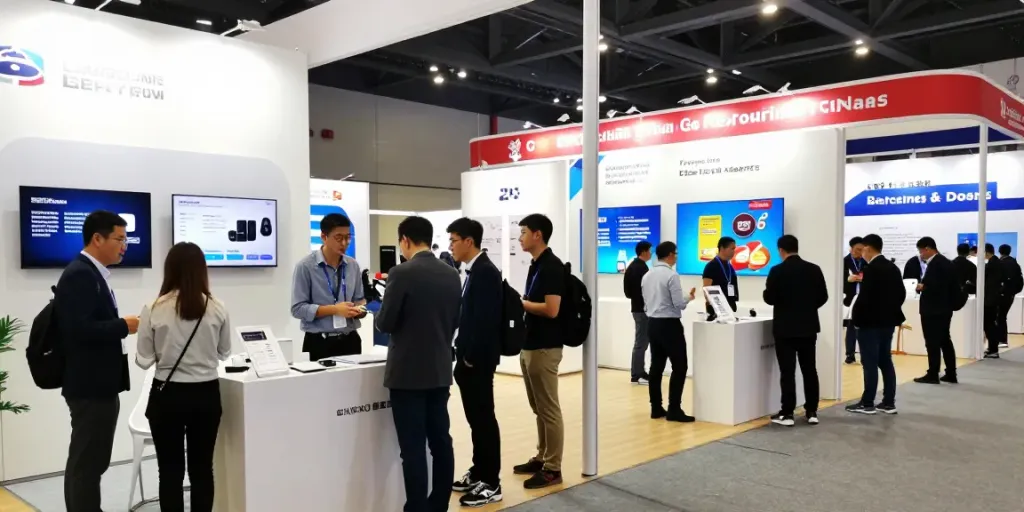
An Aussteller, or exhibitor, can be defined as an individual or company that provides an exhibit for a display, typically at a trade show or similar event. Their responsibilities involve not only showcasing products but also engaging with attendees to convey the value and unique features of their offerings. This role is fundamental in creating a tangible experience for potential customers, allowing them to interact with products and services that interest them directly.
Importance of Exhibitors in Industry Events
Exhibitors are essential to the success of industry events for several reasons:
- Brand Visibility: By participating in trade shows, Ausstellers gain exposure to a targeted audience, increasing brand visibility within their sector.
- Networking Opportunities: Exhibiting provides invaluable opportunities to build relationships with other businesses, industry professionals, and potential customers.
- Market Insights: Engaging with attendees allows Ausstellers to gather feedback and understand market trends, helping them to refine their strategies.
- Lead Generation: Trade shows are prime venues for capturing leads, as they attract individuals who are actively seeking solutions.
Defining Key Objectives for Ausstellers
For Ausstellers, setting clear objectives is vital for maximizing the impact of their participation. Common goals include:
- Brand Awareness: Enhancing recognition of the brand and establishing its presence within the industry.
- Product Launches: Showcasing new offerings to generate buzz and excitement.
- Sales Targets: Achieving specific sales figures through direct engagement at the event.
- Partnership Development: Seeking out collaboration opportunities with complementary businesses.
Challenges Faced by Ausstellers
Common Obstacles in Exhibiting
Despite the numerous benefits, Ausstellers face a variety of challenges when participating in trade shows:
- High Costs: Participation can be expensive, encompassing booth construction, travel expenses, and promotional materials.
- Logistical Hurdles: Coordinating transport, setup, and teardown can be complex and time-consuming.
- Competition: Standing out in a crowded exhibition hall filled with competing exhibitors can be daunting.
Addressing Misconceptions About Participation
Many businesses are hesitant to exhibit due to misconceptions about the effectiveness of trade shows. Some common myths include:
- High Cost with Low ROI: While initial costs may seem steep, the potential for lead generation and sales can deliver a significant return on investment.
- Trade Shows are Outdated: Contrary to this belief, trade shows continue to evolve, integrating new technologies and platforms to enhance attendee engagement.
Resource Allocation and Budget Constraints
Effective resource allocation is essential for Ausstellers. Budget constraints can limit what exhibitors can do. To maximize impact, they should:
- Prioritize Spending: Focus resources on high-impact areas such as booth design and staffing.
- Leverage Existing Assets: Utilize current marketing materials and technology instead of creating everything from scratch.
- Plan Ahead: Early planning allows for better negotiation with vendors and more time to secure necessary resources.
Best Practices for Aussteller Success
Creating Captivating Booth Designs
Standout booth design is crucial for attracting visitors. Effective strategies include:
- Interactive Elements: Incorporate technology such as touch screens or VR experiences to engage attendees.
- Clear Branding: Ensure that brand messaging is prominent and easily understandable at a glance.
- Comfortable Spaces: Create inviting areas for one-on-one discussions or demos, allowing for meaningful interactions.
Effective Engagement Techniques with Attendees
Engagement is key to converting interactions into sales. Ausstellers should consider:
- Staff Training: Ensure team members are knowledgeable, approachable, and skilled in engaging visitors.
- Promotional Giveaways: Use branded giveaways to entice visitors and create lasting impressions.
- Live Demonstrations: Providing live demos can showcase the product's capabilities and attract a crowd.
Utilizing Technology to Enhance Presence
In 2026, technology plays an ever-increasing role in trade exhibitions. Ausstellers can leverage:
- Social Media Integration: Promote participation before, during, and after the event through platforms like Instagram and Twitter.
- Event Apps: Utilize event-specific applications for scheduling meetings and engagement tracking.
- Virtual Participation: Offering virtual attendance options can expand reach to those unable to attend in person.
Case Studies: Successful Aussteller Experiences
Innovative Strategies in Action
Many Ausstellers have successfully implemented innovative strategies that set them apart. For example:
- Interactive Displays: A top technology firm utilized augmented reality to demonstrate product functionality, significantly increasing booth traffic.
- Collaboration with Influencers: By partnering with industry influencers, a fashion brand successfully elevated its presence and attracted a dedicated audience.
Real-World Examples of Impactful Exhibitions
Learning from successful case studies can provide Ausstellers valuable insights. One such example is:
- Eco-friendly Initiatives: A company focused on sustainability utilized recycled materials for their booth, attracting eco-conscious customers and generating media buzz.
Lessons Learned from Major Industry Events
Reflecting on major industry events reveals lessons that can enhance future performance. Key takeaways include:
- Adaptability: Being flexible to adjust presentations or materials based on attendee feedback or trends proved vital for success.
- Post-Event Engagement: Following up with leads promptly and effectively can significantly improve conversion rates.
Future Trends for Ausstellers in 2026
Adapting to Changes in Consumer Behavior
As consumer behavior shifts, Ausstellers will need to adapt their strategies to meet new demands:
- Personalized Experiences: Tailoring interactions and offerings to individual preferences will enhance connections.
- Sustainability Focus: Eco-friendly practices will increasingly influence purchasing decisions.
Emerging Technologies Shaping Exhibitions
Technological advancements will continue to reshape the landscape of trade shows. Key technologies include:
- Data Analytics: Utilizing event data to understand attendee preferences and improve engagement strategies.
- Artificial Intelligence: Implementing AI chatbots to assist with inquiries and improve visitor interaction.
Predictions for the Future of Trade Shows
Looking ahead, several trends are predicted to become prominent:
- Hybrid Events: A combination of in-person and virtual experiences that cater to diverse audiences.
- Increased Focus on Health and Safety: Implementing measures to ensure attendee safety during events will remain a priority.
What is the role of Ausstellers in creating memorable experiences?
Ausstellers play a critical role in crafting memorable experiences for attendees through engaging presentations, interactive displays, and personal interactions that resonate. Their ability to connect with visitors creates lasting impressions that extend beyond the event itself.
How can Ausstellers measure their success at events?
Measuring success can be achieved through various metrics, including:
- Lead Generation: Tracking the number of leads collected during the event.
- Sales Conversion Rates: Evaluating the percentage of leads that result in sales.
- Attendee Engagement: Assessing how many visitors interacted with the booth and for how long.
What are the key benefits of exhibiting at trade shows?
The key benefits include enhanced brand visibility, valuable networking opportunities, direct lead generation, and market insights that can guide future strategies.
How can technology enhance the experience for Ausstellers?
Advancements in technology can streamline processes, improve attendee engagement, and provide real-time data analytics, empowering Ausstellers to optimize their efforts effectively.
What common mistakes should Ausstellers avoid?
Common pitfalls include poorly planned booth designs, lack of staff training, and failing to follow up with leads post-event, all of which can diminish the potential benefits of exhibiting.